

Capture
Bring the lead into the CRM with the right data, source context, and qualification notes.
Framework
A visual guide to why leads leak, how stages should be structured, and what ownership looks like inside a healthy pipeline.
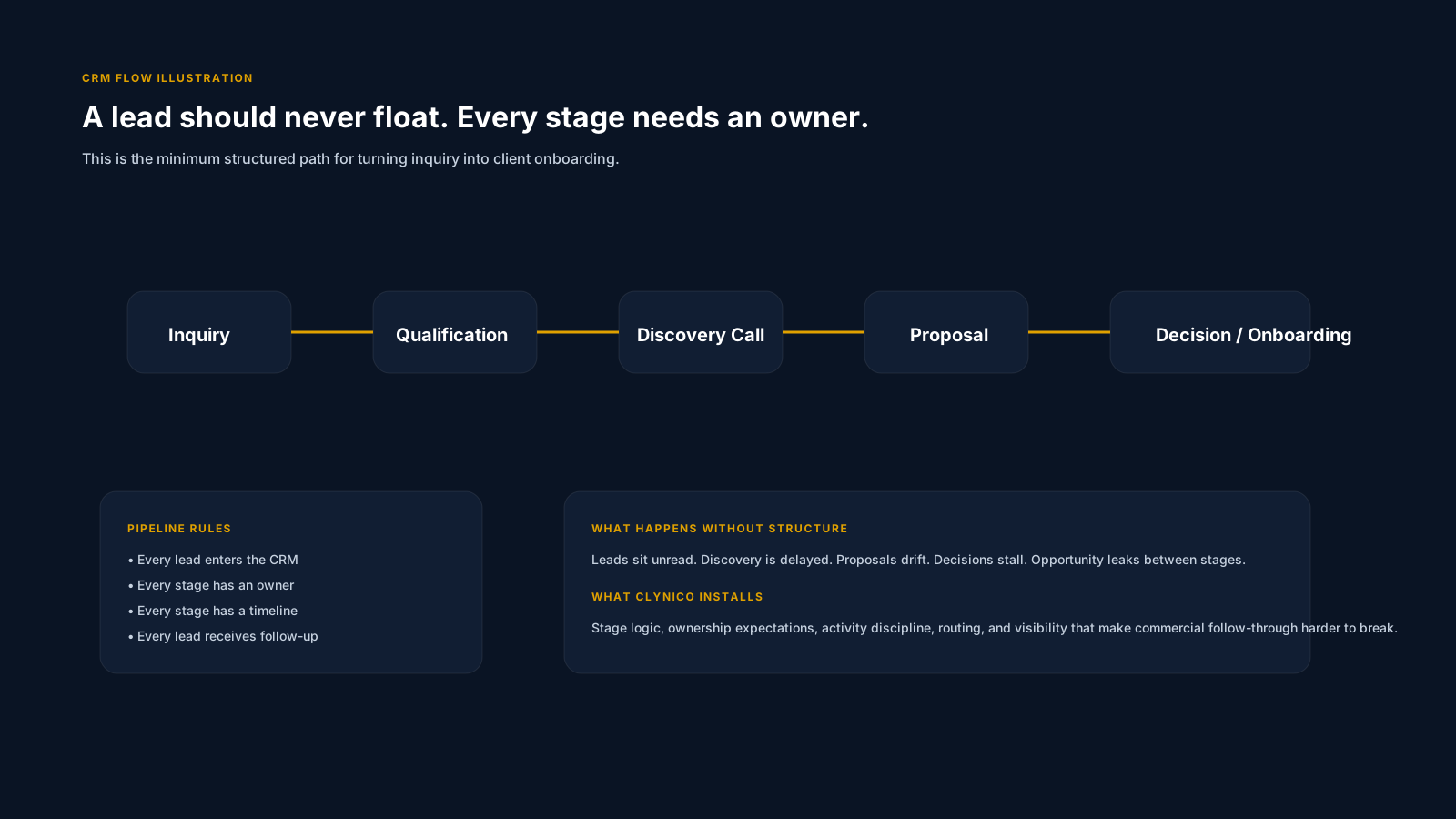
CRM Flow Discipline is the operating standard behind healthy lead handling. It defines stage logic, ownership, activities, and follow-up rules so demand does not leak after the form is submitted.
Most pipelines do not fail because the CRM exists. They fail because the fields, stages, ownership, and activity discipline were never designed properly.
This framework is where front-end conversion meets real operational ownership. It explains why leads leak after the form is submitted and what healthier discipline looks like.
Bring the lead into the CRM with the right data, source context, and qualification notes.
Route ownership clearly so the next step is visible and accountable.
Use meaningful stages that reflect real commercial movement instead of vague admin labels.
Create timing rules, scripts, and activity expectations that support response quality.
Use pipeline evidence to improve the offer, site, conversion path, and sales handling upstream.
CRM discipline is what keeps positioning, conversion, and sales language from leaking value after the form is submitted. It is the operating layer that makes revenue reliability possible.