

Attract
Generate the right attention through clear positioning and commercial relevance.
Framework
A visual explanation of how awareness, conversion, CRM movement, sales conversation, and client results connect into one commercial system.
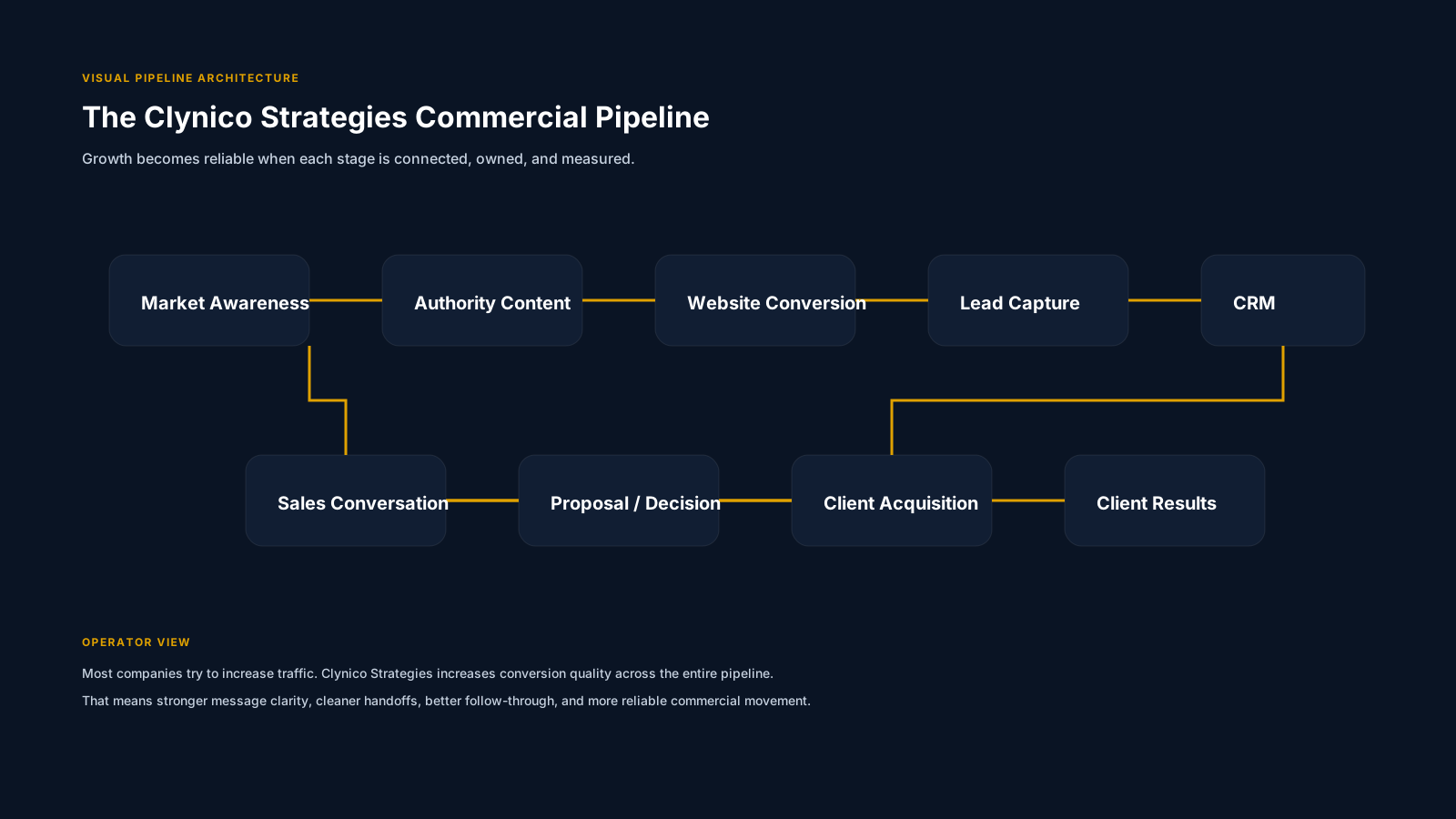
Pipeline Architecture defines how an opportunity should move through the business once interest exists. It makes lead handling visible, accountable, and commercially useful.
Many businesses generate leads but lose them through unclear stages, weak ownership, and inconsistent follow-up.
This framework shows how awareness, conversion, CRM movement, sales conversation, and client results connect. It exists to stop teams from optimizing one stage while another quietly leaks value.
Generate the right attention through clear positioning and commercial relevance.
Move the buyer into a qualified next step through a stronger page and form experience.
Assign ownership, stage logic, and immediate next actions inside the CRM.
Use disciplined sales handling, proposals, and follow-up to move qualified opportunities toward decision.
Feed outcomes, proof, and authority assets back into the system so demand quality improves over time.
This framework is most useful when paired with the Conversion System and CRM Flow Discipline. It connects the front end to the backend so commercial movement becomes visible.